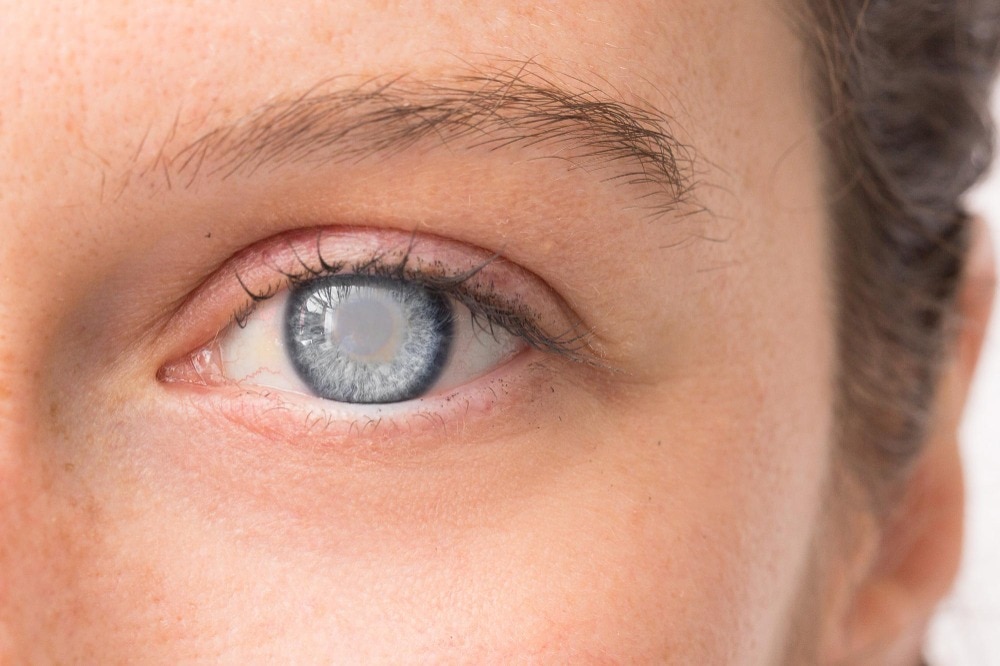
Night-driving difficulty, halos, faded colours and trouble reading can signal more than an outdated glasses prescription. By comparing symptom patterns, examination findings, treatment choices, lens trade-offs and local safety checks, you can decide whether cataract care near Mumbai Central is worth pursuing now or monitoring first.
Key takeaways
- Arrange an eye assessment when vision changes affect reading, driving, or daily tasks.
- Surgery is justified when cataracts limit function, not solely because an opacity is present.
- Compare lens options by your priorities for glasses, night vision, cost, and visual range.
- Judge a local service by consultation quality, surgical planning, follow-up, and clear pricing.
When do symptoms justify a cataract assessment?
A full cataract assessment is more useful than simply ordering new spectacles when vision changes despite a recent prescription or affects how you function. Arrange an ophthalmic review for:
- Worsening night driving
- Halos or starbursts around headlights
- Faded colours or reduced contrast
- Difficulty reading despite updated glasses
These symptoms do not prove that a cataract is responsible. Similar problems can result from:
- Dry eye
- Uncorrected astigmatism
- Macular disease
- Diabetic retinal changes
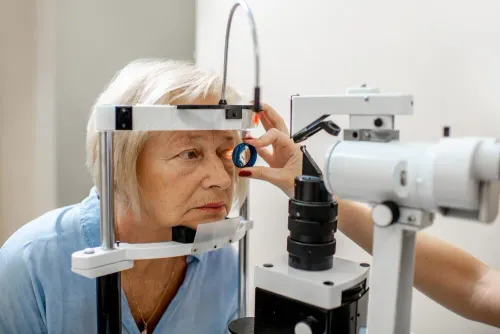
The examination should identify both the cause and its effect on your vision. It usually includes:
- Visual-acuity testing for each eye
- Refraction to check the spectacle prescription
- Slit-lamp inspection of the lens for opacity
- Eye-pressure measurement
- Pupil dilation to examine the retina and optic nerve
The retina and optic nerve matter because macular disease or diabetic retinopathy can limit vision even after a cloudy lens is removed. If surgery is being considered, the team also measures the eye for intraocular-lens power.
Cataract care in Mumbai Central is worth considering when the assessment shows that lens opacity is the main cause of functional vision loss, not merely because a scan or examination reveals an age-related lens change. A new prescription is the better first step when refraction explains the blur and the lens remains clear.
When is surgery justified, and is waiting safe?
Surgery is justified when cataract-related blur or glare interferes with driving, reading, work, walking safely, recognising faces or managing daily tasks. NICE advises against using one visual-acuity threshold or the cataract’s age to decide.
Waiting is often safe when symptoms remain manageable and the retina, optic nerve and eye pressure can still be assessed. Delay has limits: a dense cataract can obstruct retinal examination, reduce the accuracy of biometry and make the operation more difficult. Prolonged poor vision can also restrict your independence.
| Decision | Benefit | Limit |
|---|---|---|
| Surgery now | Removes the cloudy lens when it is causing functional impairment | Does not repair other eye disease |
| Wait and monitor | Avoids immediate surgery while daily activities remain manageable | Dense opacity can complicate examination, measurements and surgery |
Ask which condition explains your symptoms and what improvement is realistic. Cataract removal clears the cloudy lens but does not reverse:
- Macular disease
- Diabetic retinopathy
- Glaucoma
- Corneal disease
- Amblyopia
These conditions can limit vision after an otherwise successful operation. Patients comparing a cataract doctor central in mumbai should ask how each problem affects the expected result before consenting, rather than treating the cataract diagnosis alone as a reason to operate.
What happens before, during and after cataract surgery?
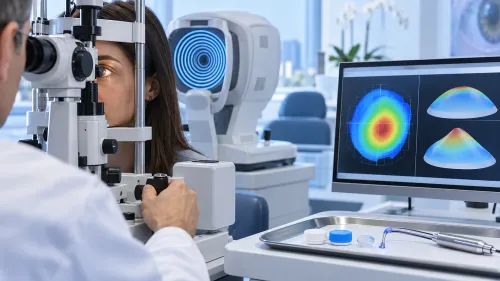
The pathway for cataract surgery central in Mumbai starts with measurements, not the operation. Biometry calculates the intraocular-lens power; the team checks the cornea and retina, records eye pressure, and reviews your illnesses and medicines.
- Before surgery, disclose diabetes, glaucoma, previous retinal surgery, anticoagulants and alpha-blocker treatment for urinary symptoms. Never stop an anticoagulant without advice from your surgeon or prescribing clinician. Ask what glasses prescription is likely to remain.
- During small-incision phacoemulsification, the surgeon breaks up and removes the cloudy natural lens, then places an artificial intraocular lens. The procedure usually uses topical or local anaesthesia and takes place as day surgery.
- After discharge, use the prescribed drops, follow protective instructions and attend every scheduled review. Leaving the clinic the same day does not end treatment; healing and the final prescription still need checking.
Routine does not mean risk-free. Possible complications include infection inside the eye, bleeding, inflammation, raised pressure, corneal swelling, retinal detachment, residual prescription, or a shifted or incorrectly powered lens.
Seek urgent eye assessment for increasing pain, marked redness, worsening vision, flashes, a shower of floaters or a curtain-like shadow. These symptoms can signal infection, a retinal tear or detachment.
A cataract cannot grow back. If the supporting capsule becomes cloudy later, this is posterior capsule opacification, treated with YAG laser capsulotomy rather than repeat cataract extraction.
Which treatment and lens choice fits your priorities?
Updated glasses, brighter task lighting, glare reduction and dry-eye treatment can help when a cataract does not significantly disrupt daily life. They cannot remove a cloudy lens.
| Option | What happens | Trade-off |
|---|---|---|
| Non-surgical management | Adjusts the prescription, lighting, glare or tear-film problems | Useful for manageable symptoms; the cataract remains |
| Standard phacoemulsification | Instruments fragment and aspirate the cloudy lens, then an intraocular lens replaces it | Requires surgery, postoperative drops, reviews and discussion of infection, inflammation, pressure changes, retinal detachment and residual prescription |
| Femtosecond laser-assisted surgery | A laser creates selected corneal or lens incisions and performs parts of lens fragmentation before removal | It still needs an intraocular lens, postoperative care and risk counselling; it does not guarantee sharper vision |
Your lens target matters as much as the surgical method.
| Lens | Practical result | Main limitation |
|---|---|---|
| Monofocal | Focuses at one chosen distance, such as far vision | Glasses commonly remain for reading or other distances |
| Toric | Reduces regular corneal astigmatism | It does not correct every cause of blurred vision |
| Multifocal or extended-depth-of-focus | May reduce dependence on glasses across distances | Halos, glare and reduced night contrast can occur |
No lens guarantees spectacle-free vision. Measurement uncertainty, astigmatism, eye disease and healing can leave a prescription. Ask cataract services central in Mumbai what glasses you are likely to need before consenting to cataract surgery central in Mumbai.
How should you judge a local cataract service?
Convenience at Mumbai Central adds value only when it is attached to a safe, traceable pathway. Use this checklist before choosing cataract services central in Mumbai:
- Confirm the ophthalmologist’s registration on India’s National Medical Commission register.
- Ask where the operation will occur, who will perform it and whether the facility has biometry and a sterile operating theatre.
- Get written details of the lens target, likely glasses use, total fees, medicines and number of follow-up visits.
- Ask who reviews you after surgery and whom you contact after hours for urgent problems.
- Check how the provider will assess macular disease, diabetic retinopathy, glaucoma or corneal disease, which can limit improvement.
Compare the service, not the street address.
| Option | What to verify | Warning sign |
|---|---|---|
| Nearby clinic with theatre | In-house biometry, sterile theatre and named surgeon | Vague answers about equipment or operator |
| Clinic referring elsewhere | Facility name, referral process and postoperative responsibility | “The hospital will handle it” without written details |
| Hospital-based pathway | Emergency access, review schedule and itemised fees | No clear contact after discharge |
A cataract doctor central in Mumbai should explain why the proposed lens target fits your work, driving and reading needs; no lens guarantees freedom from spectacles. Dr Nusrat Bukhari’s Eye Clinic can be one local option for assessment and surgical planning, but apply these questions to every provider.
Choose a nearby clinic when it offers a complete examination, transparent theatre arrangements, realistic counselling and reliable urgent care. Let functional impairment and pathway safety—not proximity or a marketing claim—decide.
Related service
Cataract Services by Dr. Nusrat Bukhari Cataracts are one of the most common causes of blurred vision, glare, and reduced clarity—especially with age. View service → |
Frequently asked questions
When do cataract symptoms justify an assessment?
Arrange an ophthalmic review when vision changes persist despite a recent spectacle prescription or interfere with reading, driving, recognising faces, or other daily activities.
When is cataract surgery justified, and is waiting safe?
Surgery is justified when cataract-related vision loss affects your function or quality of life. Discuss the timing with an ophthalmologist rather than relying on the cataract's appearance alone.
What happens before, during and after cataract surgery?
Care includes an eye examination and surgical planning, lens selection, the operation itself, and scheduled postoperative monitoring with prescribed eye medicines.
How should you choose a cataract lens?
Match the lens to your priorities, including dependence on glasses, reading range, night vision, astigmatism correction, visual expectations, and budget.
How should you judge a local cataract service?
Check whether the service provides a thorough assessment, explains surgical and lens choices clearly, gives written costs and instructions, and offers accessible follow-up care.
Keywords