Amblyopia, commonly known as lazy eye, is a condition in which one eye develops weaker vision because the brain begins to favour the other eye. Unlike many eye disorders, amblyopia is primarily a problem of visual development rather than the eye itself. Early diagnosis offers the greatest opportunity for improvement, but modern treatment approaches can also benefit selected older children, teenagers, and adults depending on the underlying cause.
If you are searching for Amblyopia Treatment in Kalbadevi, understanding how the condition develops and the treatment options available can help families seek timely eye care.
What Is Amblyopia?
During early childhood, both eyes send visual information to the brain. When one eye provides a consistently blurred or misaligned image, the brain gradually suppresses that eye to avoid confusion. Over time, the weaker eye fails to develop normal vision even though it may appear healthy.
Without treatment, this reduced vision can become permanent.
What Causes Amblyopia?
Several eye conditions can interfere with normal visual development.
Common causes include:
- Significant difference in spectacle power between the two eyes
- Crossed eyes (strabismus)
- Congenital cataract
- Drooping eyelid (ptosis)
- Corneal abnormalities
- High refractive error affecting one or both eyes
Identifying the underlying cause is the first step in planning effective treatment.
Symptoms Parents Should Watch For
Young children rarely realise they have reduced vision because they naturally depend on the stronger eye.
Parents may notice:
- One eye turning inward or outward
- Frequent squinting
- Closing one eye while reading
- Tilting the head to see clearly
- Difficulty judging distances
- Poor hand-eye coordination
- Reduced interest in visual activities
Sometimes amblyopia is discovered only during a routine school or preschool eye examination.
Can Adults Develop Amblyopia?
Amblyopia develops during the visual development years, usually before the age of eight. Adults do not suddenly develop amblyopia, but they may remain undiagnosed from childhood.
Some adults discover the condition only after vision in their stronger eye becomes affected by another problem.
Although treatment outcomes are generally better in younger children, selected adults may still benefit from careful assessment and vision rehabilitation depending on individual circumstances.
How Is Amblyopia Diagnosed?
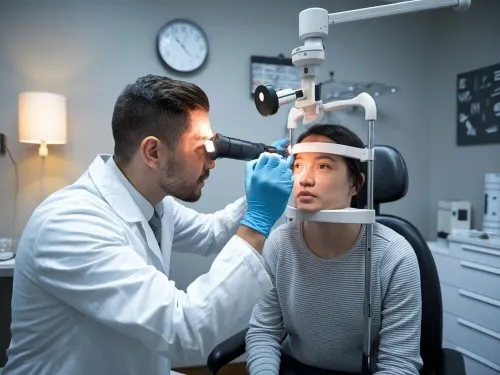
A comprehensive eye examination evaluates both visual performance and the health of the eyes.
Assessment may include:
- Age-appropriate vision testing
- Cycloplegic refraction
- Eye alignment evaluation
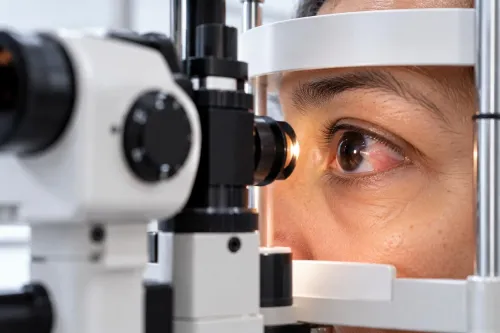
- Slit lamp examination
- Dilated retinal examination
- Binocular vision assessment
These tests help determine the severity of amblyopia and identify the condition responsible for reduced vision.
Treatment Depends on the Underlying Cause
There is no single treatment suitable for every patient.
Management may involve:
Prescription Glasses
Correcting refractive errors allows the weaker eye to receive a clearer image.
Occlusion Therapy
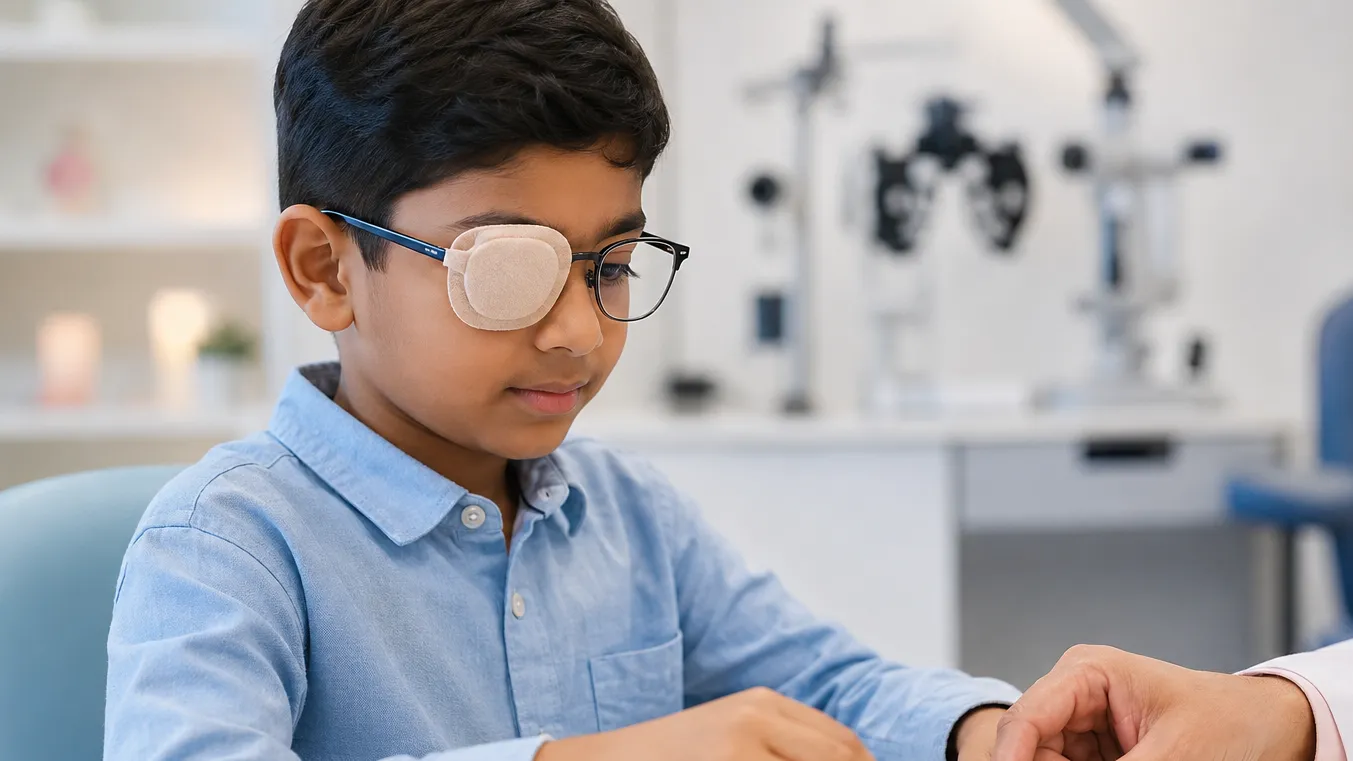
Patching the stronger eye encourages the brain to use the weaker eye more effectively.
Atropine Therapy
In certain situations, medicated eye drops may temporarily blur the stronger eye to stimulate visual development.
Treatment of Associated Eye Conditions
Conditions such as cataracts, eyelid abnormalities, or squint may require additional medical or surgical management before visual rehabilitation.
The treatment plan is individualized according to the patient's age, diagnosis, and visual potential.
Why Early Treatment Is Important
The brain's ability to develop normal vision is greatest during early childhood.
Early diagnosis may help:
- Improve visual development
- Reduce long-term visual impairment
- Enhance depth perception
- Support academic performance
- Improve sports participation
- Strengthen binocular vision
Delaying treatment may reduce the likelihood of achieving optimal vision.
Supporting Children During Treatment
Parents play an essential role in successful amblyopia management.
Helpful strategies include:
- Encouraging consistent spectacle wear
- Following patching schedules as prescribed
- Attending regular follow-up appointments
- Offering positive reinforcement
- Informing teachers when necessary
Consistency often influences treatment success.
Choosing Comprehensive Pediatric Eye Care in Mumbai
Families living in Kalbadevi and nearby areas often seek ophthalmologists experienced in diagnosing childhood vision disorders and monitoring visual development over time. A structured treatment plan, regular follow-up, and family involvement all contribute to better outcomes.
Dr Nusrat Bukhari's Eye Clinic provides comprehensive evaluation for amblyopia and other pediatric eye conditions, helping children receive individualized treatment based on their age, vision, and underlying diagnosis. Early assessment remains one of the most effective ways to support healthy visual development and preserve lifelong eyesight.
Keywords