A normal vision test does not show whether diabetes or high blood pressure has begun damaging the retina. By the end, you will know when to book screening, what a proper fundus examination includes, how often to repeat it, and when symptoms require urgent assessment instead.
Key takeaways
- Type 2 diabetes requires a dilated eye exam at diagnosis.
- Type 1 diabetes requires screening within five years of onset.
- Return intervals depend on retinal findings, diabetes control, and blood pressure.
- Seek urgent assessment for sudden vision loss, flashes, floaters, or a curtain-like shadow.
Who needs screening, and when should it start?
Every person with type 2 diabetes should have a dilated, comprehensive eye examination when diagnosed. People with type 1 diabetes generally need their first examination within five years of onset, because early retinal damage can develop without blurred vision or other symptoms.
1. Arrange screening if you have prediabetes, gestational diabetes, long-standing diabetes, kidney disease, high cholesterol, or take diabetes medicine. Tell the eye clinician about glucose results, previous retinal treatment, and pregnancy.
2. Anyone with diagnosed hypertension should discuss retinal assessment, particularly with newly detected or uncontrolled blood pressure. A hypertensive eye checkup central in mumbai becomes especially important when readings are markedly elevated, symptoms occur, pregnancy-related hypertension is present, or diabetes or kidney disease increases risk.
3. If you have pre-existing type 1 or type 2 diabetes, seek an eye assessment before pregnancy when possible, during pregnancy, and after delivery as clinically indicated. Pregnancy can accelerate diabetic retinopathy, so an annual appointment may not be enough.
4. Do not treat diabetes and hypertension as separate risks. People with both conditions need to disclose every medicine, recent blood-pressure and glucose readings, kidney disease, and pregnancy status during a diabetic eye screening central in mumbai.
A newly diagnosed person with very high blood pressure, visual symptoms, pregnancy-related hypertension, kidney disease, or diabetes needs fundus evaluation rather than waiting for a routine photograph. Fundus findings complement blood-pressure measurement and medical care; they cannot determine overall cardiovascular risk.
What happens during a diabetic or hypertensive fundus examination?
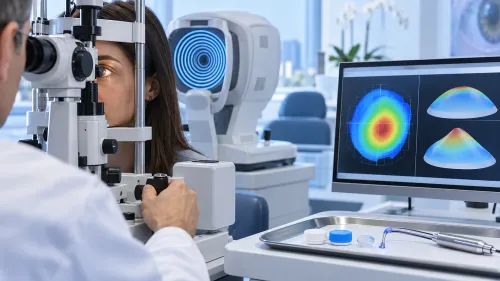
A useful appointment does more than read an eye chart. It includes:
- Visual-acuity testing and a review of your diabetes, blood-pressure readings, medicines, and symptoms.
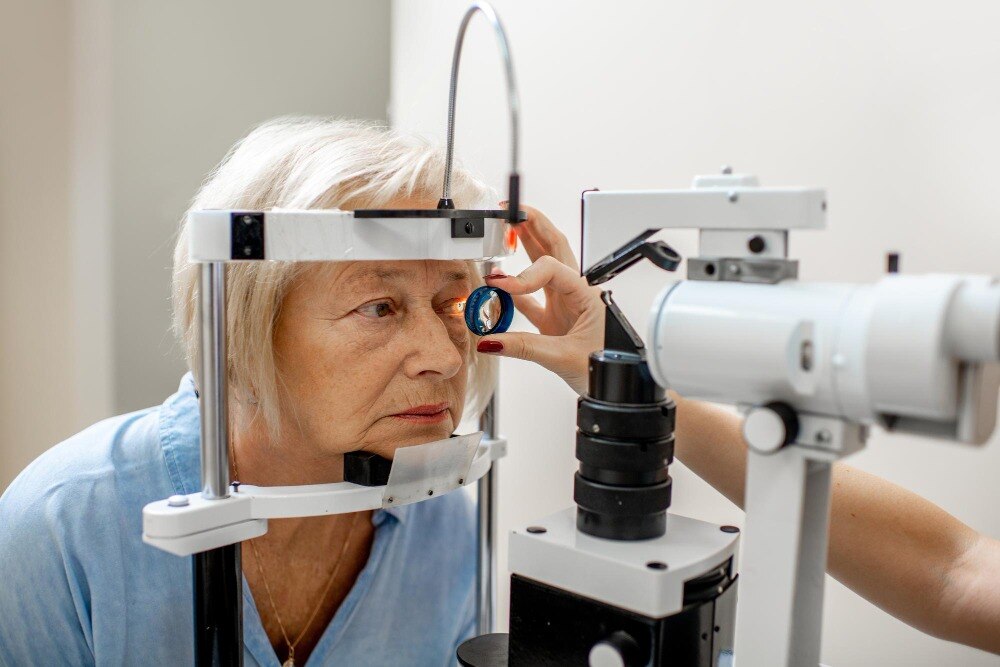
- Pupil assessment, followed by slit-lamp examination of the front of the eye.
- Intraocular-pressure measurement to assess glaucoma risk.
- A fundus examination: viewing the retina, macula, optic disc, and retinal blood vessels through dilated or undilated pupils.
Fundus photography can document findings and support screening, but an image-only service is not a complete ophthalmic examination when you have symptoms or an abnormal image. When searching for fundus examination central in mumbai, ask whether a clinician examines the retina and explains the result, rather than assuming a camera alone is sufficient.
Optical coherence tomography (OCT) provides cross-sectional retinal images. It is an additional test when vision has changed or diabetic macular oedema is suspected, not a universal requirement for every asymptomatic patient.
Dilation can blur near vision and increase light sensitivity for several hours. Arrange transport, carry sunglasses, and do not drive until your vision is clear. Severe eye pain, marked redness, nausea, or prolonged severe blur after dilation needs medical advice.
How often should you return after a normal or abnormal result?
A normal retinal examination does not automatically mean you can wait two years. People with diabetes, no retinopathy, and consistently controlled glucose and blood pressure may be screened every one to two years under ADA guidance, but the clinician’s written report sets your actual interval.
Normal visual acuity or no symptoms alone does not justify delaying retinal screening.
Use this practical guide for diabetic hypertensive eye screening for Central Mumbai:
- No retinopathy and treatment targets consistently met: repeat in one to two years, if the clinician confirms that interval.
- Any diabetic retinopathy: review at least annually; moderate or severe changes require shorter intervals.
- Hypertensive retinal changes: return according to the blood-pressure response and retinal findings, alongside treatment and review of heart, kidney, brain, and wider vascular risk.
Do not remain on routine screening after macular oedema, proliferative retinopathy, retinal injections, laser treatment, vitrectomy, or previous diabetic retinopathy treatment. A retina specialist must set the schedule, and a community photograph must not postpone it.
Pregnancy can accelerate diabetic retinopathy, so annual review may be inadequate. Arrange assessment before pregnancy when possible, during pregnancy, and after delivery as advised. Tell the eye clinician about pregnancy, glucose and blood-pressure readings, kidney disease, medicines, and every previous retinal treatment. These details can change the interval even after a reassuring examination.
Which findings or symptoms need urgent assessment?
Do not wait for a routine screening slot after sudden vision loss, rapid blurring, distorted vision, new floaters, flashes, or a curtain-like shadow. These symptoms can signal vitreous bleeding, retinal detachment, macular oedema, or another urgent retinal disorder.
| Finding or pattern | More suggestive of | Why it matters |
|---|---|---|
| Microaneurysms, retinal bleeding, fluid leakage, macular oedema, abnormal new vessels | Diabetic retinopathy | Diabetes damages small retinal vessels and can threaten central vision. |
| Narrowed or damaged vessels, haemorrhages, cotton-wool spots, hard exudates, optic-disc swelling | Hypertensive retinopathy | High blood pressure can injure retinal vessels and, when severe, indicate a hypertensive emergency. |
| Features from both columns | Diabetes plus hypertension | The conditions can coexist, particularly with kidney disease or poor glucose and blood-pressure control. |
Severe eye pain, marked redness, nausea, or severe blur that continues for a prolonged period after dilation also needs medical advice. Dilation can cause temporary near blur and light sensitivity, but persistent severe symptoms are not expected.
Severe hypertension with visual loss, optic-disc swelling, retinal haemorrhages, or neurologic symptoms requires urgent medical assessment, not routine screening. For diabetic eye screening central in Mumbai or a hypertensive eye checkup central in Mumbai, tell the clinician about both conditions, current medicines, kidney disease, pregnancy, and recent readings.
A retinal photograph alone is not enough when symptoms or abnormal findings exist.
How do you choose a screening appointment in Mumbai Central?
Choose an appointment that answers these questions before you book:
| Service check | What to confirm | Warning sign |
|---|---|---|
| Pupil dilation | Retinal views use appropriate dilation when clinically suitable | Photograph taken without explaining limited visibility |
| Examination record | Retina and optic disc findings are documented | Only “normal” appears with no findings |
| Image review | Image quality and ungradable images are assessed | Camera capture is treated as the diagnosis |
| Interpretation | A trained clinician interprets the examination | No named reviewer or clinical explanation |
| Follow-up | Abnormal or ungradable results receive a stated review or referral interval | You are told to return only if symptoms develop |
If you search for diabetic hypertensive eye screening for Central in Mumbai, compare the clinical process, not the presence of a camera. Bring recent glucose and blood-pressure readings, medication names, pregnancy status, kidney-disease details, previous retinal treatment, and any symptoms.
A fundus examination Central Mumbai service complements blood-pressure measurement and medical hypertension management. It cannot grade overall cardiovascular risk; heart, kidney, brain, and vascular assessment remain necessary.
Blurred vision calls for a comprehensive ophthalmic examination, not only a photograph. Ask for assessment of cataract, glaucoma, retinal vascular occlusion, and refractive error.
Dr Nusrat Bukhari's Eye Clinic can coordinate screening with broader diagnostic and surgical eye care when findings require specialist follow-up.
Related service
Diabetic & Hypertensive Eye Screening Diabetic & Hypertensive Eye Screening by Dr. Nusrat Bukhari Diabetes and high blood pressure can silently damage the eyes long before symptoms appear. With over 21 years of expertise, Dr. View service → |
Frequently asked questions
Who needs diabetic eye screening, and when should it start?
People with type 2 diabetes need a dilated, comprehensive eye examination when diagnosed. People with type 1 diabetes need their first examination within five years of onset. Children and adolescents with diabetes need timing set by their ophthalmologist.
What happens during a diabetic or hypertensive fundus examination?
The clinician checks visual acuity, eye pressure, the front of the eye, and the retina. Dilating drops allow examination of the optic nerve, macula, retinal blood vessels, bleeding, swelling, and other damage. Fundus photography or optical coherence tomography may document or clarify findings.
How often should you return after a normal or abnormal result?
A normal diabetic examination often leads to annual review, although selected low-risk patients may receive a longer interval. Retinopathy, macular swelling, poor glucose control, or uncontrolled hypertension requires a schedule set by the eye specialist.
Which findings or symptoms need urgent assessment?
Seek urgent eye assessment for sudden vision loss, a curtain-like shadow, new flashes, a sudden increase in floaters, severe eye pain, marked redness, or vision changes with severe headache or weakness.
How do you choose a screening appointment in Mumbai Central?
Choose a clinic that offers dilated retinal examination and fundus photography, records your diabetes and blood-pressure history, and explains follow-up. Bring recent glucose or HbA1c results, blood-pressure readings, medication details, and previous eye reports.
Keywords