A cataract diagnosis does not automatically mean you need surgery now. Fluctuating blur, headlight glare, faded colours, one-eye double vision and reading difficulty need to be matched with an eye examination, the effect on daily life and any warning signs that require urgent care. By the end, you can prepare for a Girgaon consultation, compare treatment choices and plan recovery realistically.
Key takeaways
- Report new one-eye double vision for assessment before planning cataract surgery.
- Compare surgeon experience, facility standards, testing and follow-up access—not price alone.
- Choose an intraocular lens after discussing your eye measurements, vision goals and budget.
- Seek urgent review for severe pain, sudden vision loss, flashes or a curtain-like shadow.
What Do Vision Changes After a Cataract Diagnosis Mean?
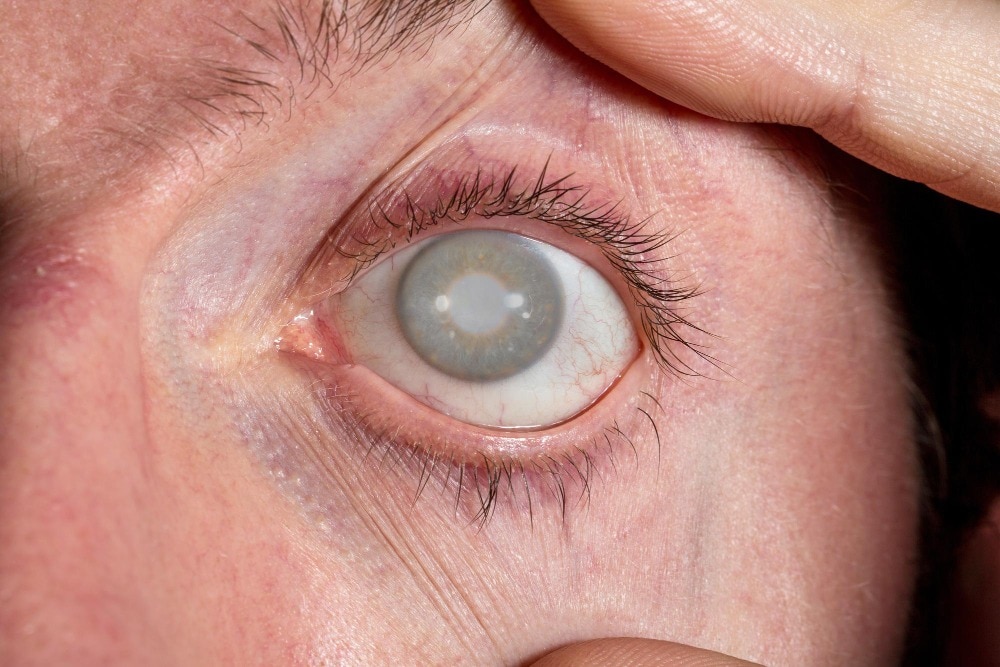
Fluctuating blur, glare around headlights, faded colours, reduced contrast, double vision in one eye and reading difficulty can occur when the natural lens becomes cloudy. Cataracts often develop gradually, but double vision in one eye also needs assessment because corneal, retinal or other eye problems can cause it.
| Symptom | What it may indicate | Practical response |
|---|---|---|
| Fluctuating blur or reading difficulty | Cataract or an outdated prescription | Check refraction and lighting |
| Headlight glare, faded colours or poor contrast | Increasing lens clouding | Use anti-glare measures; arrange review if driving becomes unsafe |
| Double vision in one eye | Cataract, corneal change or retinal disease | Arrange an eye examination rather than assuming cataract |
A diagnosis or scan does not create an automatic need for surgery. Updated glasses, brighter lighting and anti-glare measures can improve function, but they cannot remove the cloudy lens.
Use this three-part guide:
- Monitor mild symptoms while reading, work, walking and independence remain manageable.
- Arrange a cataract review when daily activities, driving, mobility or safety become difficult. Cataract care Girgaon should include refraction, slit-lamp examination, eye-pressure measurement and a dilated retinal check.
- Seek urgent eye care for sudden vision loss, severe pain, trauma, flashes with a curtain-like shadow, or rapidly increasing floaters.
Cataract treatment is not always the immediate answer: an acute red painful eye, uncorrected refractive error, corneal opacity, glaucoma, retinal disease or medication effects may explain the change instead.
What Happens During Cataract Care in Girgaon Before Surgery?
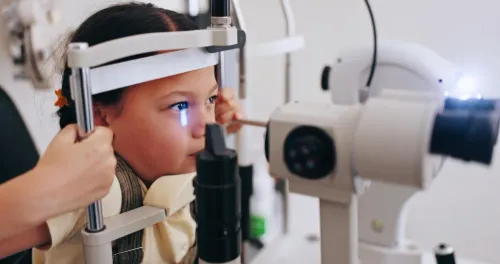
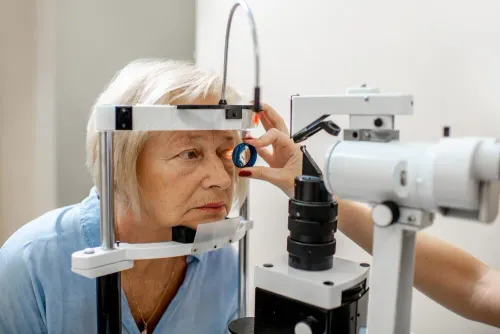
1. Assessment starts with visual-acuity testing and refraction, checking whether an incorrect glasses prescription explains the blur. A slit-lamp examination shows the cataract, cornea and ocular surface, while eye-pressure measurement screens for glaucoma.
2. After dilation, the clinician examines the retina, macula and optic nerve for diabetic retinopathy, macular disease, retinal damage or optic-nerve problems that cataract removal will not fix. Corneal disease can also limit vision, so ask which changes come from the cataract and which may remain.
3. Biometry measures eye length and corneal power to calculate intraocular-lens strength. Previous laser vision correction, previous eye surgery, corneal disease, unusually long or short eyes, dense cataracts or unreliable readings can require extra measurements and counselling about residual glasses power.
4. Disclose diabetes, hypertension, dry eye, glaucoma, retinal disease, small pupils, blood-thinner use and every previous eye operation. Bring current spectacles, medication bottles or a written list, medical records, diabetes and blood-pressure history, operative details and a symptom list.
5. For cataract services Girgaon or cataract care Girgaon, allow appointment time for dilation and biometry. Several visits may be needed; arrange transport if your vision is dilated, and obtain prescribed drops before or after surgery as instructed.
How Should You Compare Cataract Surgeons and Facilities in Girgaon?
A “cataract surgeon Girgaon” result is a starting point, not proof of competence. Verify current registration through the National Medical Commission’s Indian Medical Register or the applicable State Medical Council, then check credentials and experience with your eye conditions, proposed procedure, diabetes, glaucoma or retinal disease.
Girgaon, Tardeo, Grant Road, Agripada and Nagpada are not interchangeable search labels. Compare them like this:
| Area | Compare | Why it matters |
|---|---|---|
| Girgaon or nearby | Appointment availability and travel time | Long journeys complicate dilation, surgery-day transport and reviews |
| Any listed area | Exact operating location and sterile facility | The consultation clinic may not be the surgical site |
| Any listed area | Where postoperative reviews and emergencies occur | Urgent care should not depend on finding a new provider |
Ask who personally examines you, reviews the biometry and retinal findings, and performs the operation. Confirm anaesthesia arrangements, sterile facility capability, biometry method, intraocular-lens models and target focus, follow-up access, and 24-hour complication support. You can assess Dr Nusrat Bukhari's Eye Clinic using these questions rather than labels such as best, advanced or laser.
Request a written estimate itemising consultation, tests, surgeon and operating-room fees, anaesthesia, intraocular lens, medicines, follow-ups, complication or enhancement care, and taxes. A low headline fee may exclude the tests, lens, medicines or follow-up.
Related service
Cataract Services by Dr. Nusrat Bukhari Cataracts are one of the most common causes of blurred vision, glare, and reduced clarity—especially with age. View service → |
Which Cataract Surgery and Intraocular Lens Choices Fit Your Eyes?
Phacoemulsification removes the cloudy lens through a small incision and replaces it with an intraocular lens; laser-assisted steps do not automatically change the surgical plan. Ask whether laser assistance changes your recovery, safety profile or fee, and whether the facility and surgeon have a specific reason to use it.
Cataract density, corneal shape, pupil size, zonule strength, retinal health, ocular surface, surgeon assessment and facility capability matter more than the word “advanced”. A cataract treatment Girgaon consultation should separate the operation from the lens choice.
| Option | Main target | Trade-offs |
|---|---|---|
| Monofocal | One main distance, usually far or near | Glasses are usually needed for the other distance |
| Toric | Corrects regular corneal astigmatism | Requires reliable measurements and accurate alignment |
| Multifocal or extended-depth-of-focus | Reduces dependence on glasses across distances | Halos, glare, reduced contrast and night-driving dissatisfaction can occur |
Macular disease, diabetic retinopathy, glaucoma, optic-nerve disease, corneal scarring, severe dry eye or previous refractive surgery can make premium lenses unsuitable. A cataract surgeon Girgaon search should lead to questions, not a label.
- What is my target focus, and which glasses will I still need?
- What visual limits could remain, and what happens if the result differs from expectation?
- Should both eyes be operated separately or on the same day?
Separate surgery allows the first eye to settle before the second; same-day surgery avoids a prolonged imbalance between eyes. With separate operations, temporary unequal focus can affect reading, depth perception and driving.
What Recovery, Risks and Follow-Up Should You Plan For?
Same-day discharge is appropriate after many uncomplicated cataract operations, but arrange transport and help at home on the first day. Blurred or fluctuating vision, mild irritation, watering and light sensitivity can occur early. Use prescribed drops exactly on the operating surgeon’s schedule; do not change them yourself.
| Expected early recovery | Action |
|---|---|
| Mild irritation, watering or blur | Use drops, wear the advised eye protection and avoid rubbing |
| Water, dust and contaminants | Keep them out as instructed; follow the surgeon’s bathing and hygiene advice |
| Work, reading and travel | Resume gradually according to comfort and the surgeon’s restrictions |
| Driving | Resume only when vision is adequate and local legal requirements are met |
Keep every scheduled follow-up. Restrictions differ by procedure and healing, so cataract care Girgaon and cataract treatment Girgaon advice should never replace your surgeon’s written instructions. Ask when to return to work, read, travel and exercise.
Contact the operating eye service immediately for worsening rather than improving vision, severe pain, increasing redness, marked light sensitivity, new flashes, sudden floaters, a curtain-like shadow or discharge. These symptoms can signal infection, inflammation, pressure changes, corneal swelling, retinal tear or detachment.
Complications can appear at different stages, including cystoid macular oedema and residual refractive error during later healing. Months or years afterward, posterior capsule opacification can cloud vision; it is not a cataract growing back and, after confirmation, is usually treated with an Nd:YAG laser capsulotomy.
When Is a Second Opinion or Delayed Decision Sensible?
Mild symptoms do not make surgery urgent, especially when reading, driving and daily tasks remain comfortable. Seek a second opinion before choosing a premium lens, accepting surgery despite little functional impairment, or proceeding when the diagnosis is uncertain.
Diabetes, macular disease, glaucoma or retinal disease can limit vision after a technically successful operation, so expect practical improvement, not promises of perfect sight or freedom from glasses.
- What is reducing my vision?
- What will improve after surgery?
- What will not improve?
- Which lens is recommended and why?
- What is my target focus?
- What glasses will I still need?
- What risks apply to my eyes?
- Who handles urgent problems afterward?
- What exactly is included in the estimate?
| Decision | Sensible choice | Why |
|---|---|---|
| Mild, manageable symptoms | Observe with a review date | Delay avoids treatment inconvenience while function remains acceptable |
| Impairment outweighs risk | Plan surgery | Reading, work, driving, mobility or independence is suffering |
| Uncertain diagnosis or limited expected gain | Seek another assessment | Confirm the cataract is the main cause and clarify prognosis |
When comparing cataract care Girgaon or cataract treatment Girgaon providers, ask who reviews the retinal findings and biometry, which lens model is proposed, and whether tests, lens, medicines, follow-up and complication care are included. Seek urgent care for sudden vision loss, severe pain, flashes or a curtain-like shadow instead of routine cataract booking.
Frequently asked questions
What do vision changes after a cataract diagnosis mean?
Blur, glare, faded colours, reduced contrast and reading difficulty can reflect lens clouding. Double vision in one eye also needs assessment because corneal, retinal or other eye conditions can cause it.
What happens before cataract surgery in Girgaon?
Preoperative care includes confirming the diagnosis, checking eye health, measuring the eye for lens selection and discussing your visual needs, medical history, medicines and surgical plan.
How should you compare cataract surgeons and facilities in Girgaon?
Compare the surgeon’s relevant experience, examination process, facility standards, equipment, anaesthesia arrangements, emergency access, total costs and follow-up plan.
What recovery, risks and follow-up should you plan for?
Plan for prescribed eye drops, activity and eye-protection instructions, scheduled reviews and a period of changing vision. Ask how the facility handles infection, inflammation, pressure changes and unexpected visual symptoms.
Keywords