A routine eye check-up and a fundus examination overlap, but they answer different clinical questions and do not always involve the same tests. By the end, you will know what happens during each visit, how to prepare, when diabetic or blood-pressure screening is urgent, and what to ask when booking an appointment in Agripada.
Key takeaways
- Ask whether retinal inspection includes dilated pupils.
- Diabetes usually requires regular retinal screening, even without vision changes.
- A fundus examination can reveal retinal effects linked to high blood pressure.
- Take your medication list, diabetes records, and previous eye reports.
Routine eye check-up versus fundus examination: what is the difference?
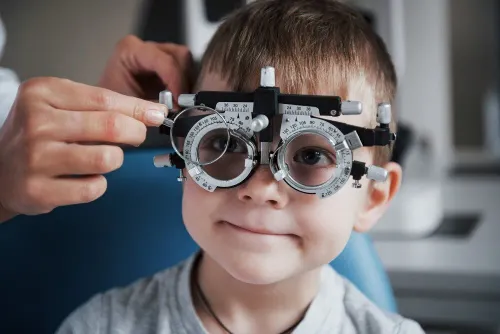
A routine eye check-up is a broad assessment of how your eyes see and function. A fundus examination is narrower: it looks through the pupil at the structures behind it. Ask, when booking a fundus examination or routine eye checkup Agripada, whether retinal inspection includes dilated pupils.
| Option | What it covers | What it can show |
|---|---|---|
| Routine eye check-up | Visual acuity, refraction, pupil reactions, eye movements, slit-lamp examination, eye-pressure measurement, retina and optic nerve | Vision errors, front-of-eye disease, pressure concerns and findings needing further tests |
| Fundus examination | Retina, macula, optic disc, retinal blood vessels and vitreous | Retinal tears, detachment, vitreous haemorrhage, macular disease, optic-nerve changes, and diabetic or hypertensive signs |
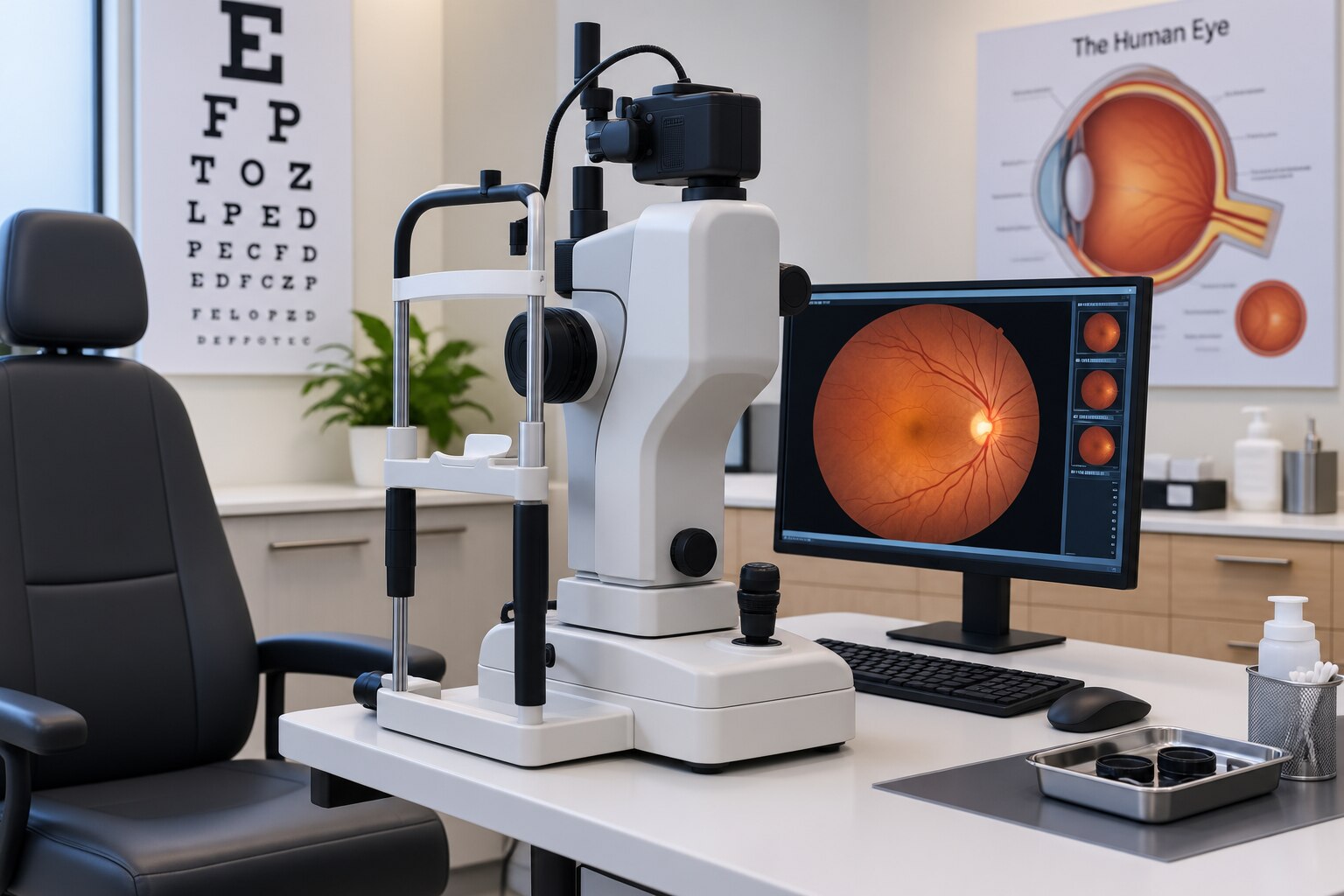
| Fundus test Agripada | Direct or indirect ophthalmoscopy, slit-lamp examination with a lens, retinal photography or OCT | A focused view, wider retinal inspection, recorded images or cross-sectional retinal detail |
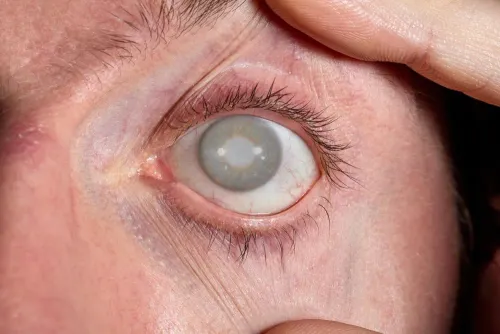
A fundus test does not explain every cause of reduced vision. You may need OCT, visual-field testing, ocular ultrasound, blood tests or neurological assessment.
Fundus inspection alone is not a complete glaucoma assessment. Evaluation may also require eye-pressure measurement, gonioscopy, corneal measurements, visual fields and retinal-nerve-fibre testing. A normal-looking optic disc does not exclude glaucoma.
What happens during the appointment, and how should you prepare?
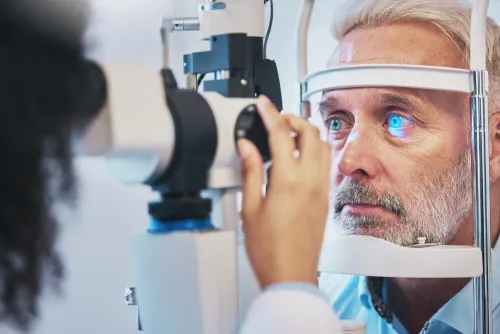
Expect a fundus test in Agripada to take longer than a basic glasses check because the clinician may assess both front and back of each eye and record findings for future comparison.
1. You read letters on a visual-acuity chart. Refraction follows when the clinician needs to check whether spectacles or contact-lens power explains reduced vision.
2. The clinician checks pupil reactions and eye movements, then measures eye pressure when indicated. These results help identify problems that a retinal view alone cannot exclude.
3. Dilating drops widen the pupils. After the drops work, the clinician examines the retina, macula, optic disc, blood vessels and vitreous, then documents abnormalities, images and recommended follow-up.
The tools provide different views:
| Tool | What it adds |
|---|---|
| Direct ophthalmoscope | A focused view through the pupil |
| Indirect ophthalmoscope | A wider view, including more peripheral retina |
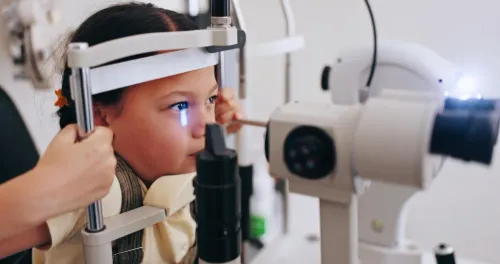
| Slit-lamp biomicroscopy with a lens | Magnified detail of the retina and optic nerve |
| Retinal photography | A record for later comparison |
| OCT | Cross-sectional images of retinal layers |
OCT adds structural detail but does not replace examination of the peripheral retina or optic nerve.
Eat normally and bring your glasses, contact-lens details, medication list and previous eye reports. Remove contact lenses if requested for a measurement. Carry sunglasses after dilation: blurred near vision and light sensitivity can last several hours, depending on the drug and your response.
Do not drive until vision returns to normal; arrange transport if blurring persists.
Who needs diabetic eye screening, and how often?
Retinal damage from diabetes can develop before blurred vision, so do not wait for symptoms. For diabetic eye screening in Agripada, timing depends on diabetes type, pregnancy, and previous findings.
- Type 1 diabetes: arrange an initial dilated retinal examination within five years of onset.
- Type 2 diabetes: have the eyes assessed when diabetes is diagnosed, because retinal disease may already be present.
- Pre-existing diabetes and pregnancy: arrange assessment before pregnancy or during the first trimester. Your treating clinician sets the follow-up schedule.
- Higher-risk findings: previous diabetic retinopathy, poor glucose control, pregnancy, or ungradable photographs can require shorter intervals or specialist review.
- Normal findings: continue screening. Some guidelines allow a one- to two-year interval for selected people with normal retinas and well-controlled diabetes, but your diabetologist or eye specialist must set the interval.
A screening photograph records the retina and can identify changes for referral. A dilated specialist examination allows direct assessment of the retina, macula, blood vessels, optic disc, and vitreous; it is needed when photographs show abnormalities or cannot provide a clear view. A normal photograph does not automatically replace that examination.
Bring recent HbA1c results, diabetes records, medication names, previous retinal photographs, and reports. Indian practice advice and international guideline intervals may differ, so confirm your schedule with the treating clinician rather than applying a universal annual rule.
What can a fundus examination show about high blood pressure?
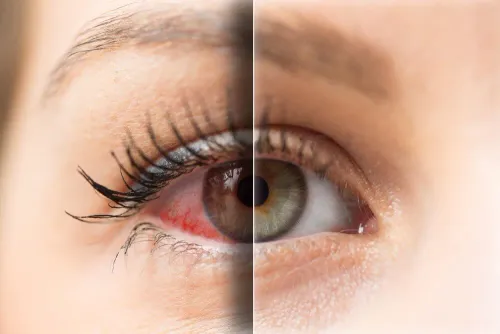
A fundus examination can show how high blood pressure is affecting the retina and optic nerve. During hypertensive eye screening in Agripada, the examiner looks for retinal arteriolar narrowing, haemorrhages, cotton-wool spots, hard exudates, macular changes and optic-disc swelling.
These findings can support assessment of blood-pressure-related target-organ damage, but they do not replace blood-pressure measurement, medical evaluation or treatment.
Bring information that helps the clinician compare the eye findings with your wider health:
- Home blood-pressure readings, with dates and times
- Names and doses of blood-pressure medicines
- Previous retinal photographs or examination reports
- Details of diabetes, kidney disease, pregnancy or recent medication changes
A routine appointment is not the right setting for very high blood pressure with severe headache, confusion, chest pain, breathlessness, weakness or new visual loss. Optic-disc swelling or extensive retinal changes alongside these symptoms requires urgent medical assessment because rapid systemic treatment may be needed.
Do not wait for a routine eye checkup in Agripada after new flashes, a sudden increase in floaters, a curtain or shadow across vision, or sudden loss of sight. These symptoms can occur with a retinal tear or detachment and need prompt evaluation.
What should you ask when booking a fundus or routine eye visit in Agripada?
A fundus examination or routine eye checkup in Agripada is not one standard appointment. Choose a broad routine examination for a glasses review, new prescription, general symptoms, or an overdue assessment; book a named fundus examination when you have previous retinal findings, diabetes, high blood pressure, or unexplained visual changes.
| Option | Ask for | Best starting point |
|---|---|---|
| Routine eye examination | Vision, refraction, pupils, eye pressure when indicated, and retinal review | Glasses review or general check |
| Fundus examination | Dilated retinal examination, with findings documented | Previous retinal disease or new symptoms |
| Diabetic or hypertensive screening | Dilated examination and/or validated retinal photographs | Diabetes or high blood pressure |
Before booking, ask:
- Will the visit include pupil dilation?
- Will you have retinal photography, slit-lamp fundus examination, OCT, or only a vision test?
- Will eye pressure be measured, and will you receive a written report?
- Must you remove contact lenses for refraction or another measurement?
- How long will the appointment take?
- If dilation is planned, should you arrange transport? Do not drive while vision remains blurred or light-sensitive.
For Dr Nusrat Bukhari's Eye Clinic, state the reason clearly: diabetes, high blood pressure, symptoms, pregnancy, previous retinal findings, or a glasses review. That information helps the clinic direct you to the appropriate examination rather than a basic vision check.
Bring your medical records, medication list, glasses or contact-lens details, previous reports, and recent HbA1c results. A fundus test in Agripada is more useful when the clinician can compare it with your earlier findings.
Related service
Dry Eye & Allergy Eye Treatment Dry Eye & Allergy Eye Treatment by Dr. Nusrat Bukhari Dryness, redness, itching, and irritation of the eyes are common concerns that can affect daily comfort and vision quality. View service → |
Frequently asked questions
What is the difference between a routine eye check-up and a fundus examination?
A routine eye check-up assesses vision, eye pressure, eye movements, and overall eye health. A fundus examination specifically inspects the retina, optic nerve, macula, and blood vessels at the back of the eye.
How should I prepare for a fundus examination?
Bring your glasses, medication list, diabetes or blood pressure records, and previous eye reports. Ask whether your pupils will be dilated, and arrange transport if bright light or blurred near vision would make driving unsafe.
Who needs diabetic eye screening, and how often?
People with diabetes need retinal screening even when vision appears normal. The timing depends on diabetes type, retinal findings, pregnancy, and blood sugar control, so follow the interval set by your eye specialist.
What can a fundus examination show about high blood pressure?
It can show narrowed or damaged retinal blood vessels, retinal bleeding, swelling, and optic-disc changes associated with severe hypertension. It does not replace blood-pressure measurement or medical evaluation.
What should I ask when booking a fundus or routine eye visit in Agripada?
Ask whether the appointment includes a dilated retinal examination, visual acuity testing, eye-pressure measurement, and a written report. Confirm whether you need to bring prior records and whether dilation affects driving afterward.
Keywords