Burning, itching, watering or fluctuating vision can come from dry eye, allergy, eyelid disease, infection or more than one condition at once. You will know what to bring, what the examination involves, which symptoms need urgent attention and how treatment is selected by the time you finish reading.
Key takeaways
- Seek urgent care for vision loss, severe pain, light sensitivity, or eye injury.
- Itching points more strongly to allergy; burning and grittiness point more often to dry eye.
- Expect questions about symptoms, medicines, contact lenses, screens, and environmental triggers.
- Treatment may address inflammation, poor tear quality, blocked glands, or an allergic trigger.
How should you prepare, and when is this more than routine irritation?
It fits a routine dry-eye or allergy consultation when symptoms are mild and vision remains normal. Itching points more strongly to allergy; burning, grittiness, fluctuating vision and reflex watering point more often to dry eye, although both conditions can occur together.
Knowing what happens during dry eye allergy treatment for Byculla patients starts with bringing a clear symptom and medication history.
- Note when symptoms began, whether one or both eyes are affected, and whether itching, pain, discharge, watering or blurred vision is changing.
- Bring every eye drop, cream and medicine list, including antihistamines, antidepressants, acne medicines and blood-pressure tablets. Do not stop a prescribed systemic medicine without speaking to its prescriber.
- Record contact-lens use, screen hours, sleep, air-conditioning or fan exposure, allergies, eyelid crusting and autoimmune disease.
- Bring the names or photographs of preserved lubricants and redness-relief drops, because frequent use can worsen irritation.
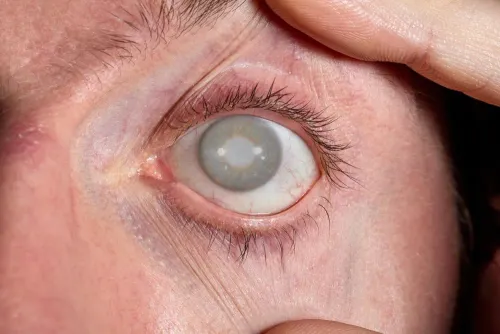
Seek prompt eye assessment instead of routine self-treatment for severe pain, marked light sensitivity, reduced vision, a white corneal spot, significant one-sided redness, chemical exposure or an eye injury. Contact-lens wearers need particular caution: pain or reduced vision can signal microbial keratitis, which threatens sight.
In those situations, remove the lenses and do not reuse them until an eye professional advises you.
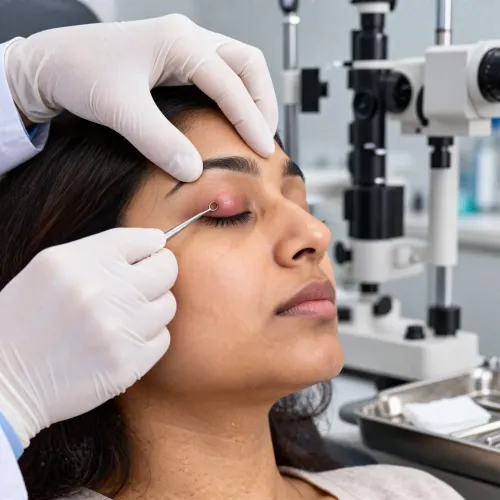
What happens when your eyes are examined in the room?
Your examination usually starts with questions about burning, fluctuating vision, itching, watering, screen use, sleep, airflow, allergies, contact-lens wear, eyelid disease, autoimmune conditions and medicines that reduce tear production. Tell the clinician which drops you use and when symptoms worsen.
An eye allergy examination in Mumbai follows the same core assessment: location does not replace the examination.
The room-based examination can include:
- A vision check for each eye, with and without your usual correction.
- External inspection of the eyelids, lashes and surrounding skin for swelling, crusting or discharge.
- Slit-lamp examination of the conjunctiva, cornea and eyelid margins. The clinician may look for papillae beneath the upper lid, corneal staining, blepharitis and blocked meibomian glands, and may turn the upper lid over if a foreign body or allergic change is suspected.
- Tear-film tests, including fluorescein staining, tear-film breakup time, tear-meniscus assessment or Schirmer strips. Tear osmolarity or an inflammatory-marker test is added in selected cases.
- Removal of contact lenses before surface measurements or examination.
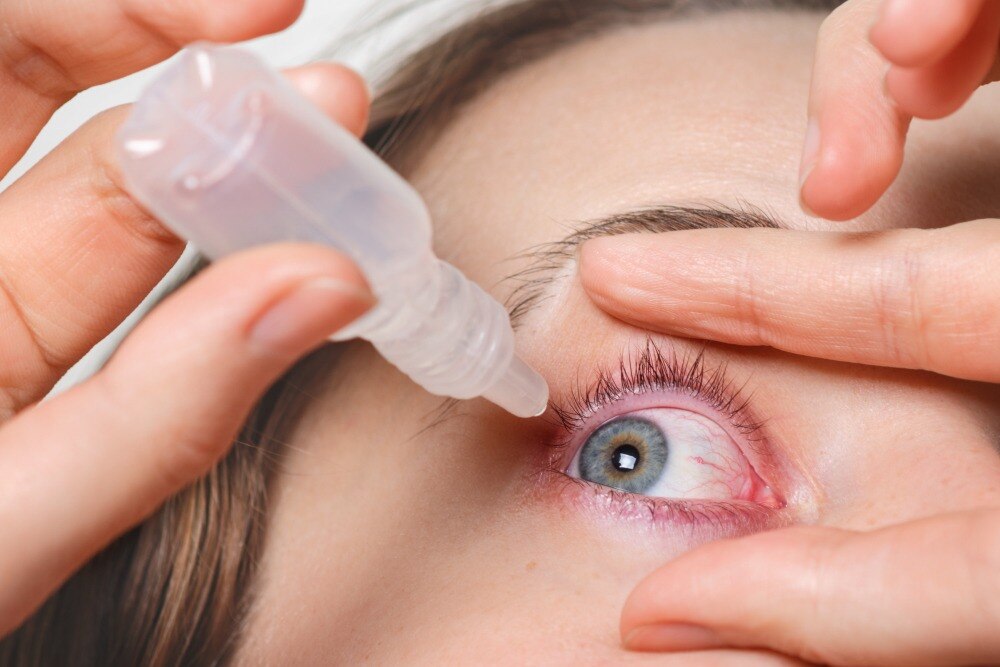
- Eye drops for staining, anaesthesia or pupil dilation when needed.
Fluorescein can cause brief stinging, while Schirmer strips may feel scratchy and make your eyes water. Dilating drops can leave you light-sensitive with blurred near vision until they wear off, so avoid driving until your vision is clear. Surface drops can also blur vision briefly.
How does the clinician tell allergy from dry eye or another red-eye cause?
Itching strongly favours allergic conjunctivitis, while burning, grittiness, fluctuating vision and reflex watering point more towards dry eye. The dry eye consultation process still checks for overlap: allergy and dry eye can occur together, so one diagnosis does not automatically explain every symptom.
| Condition | Clues from symptoms | Examination findings |
|---|---|---|
| Allergic conjunctivitis | Itching, watery eyes, stringy mucus, exposure-related flares | Red conjunctiva, chemosis, papillae under the upper lid; upper-lid eversion may reveal allergic changes or a foreign body |
| Aqueous-deficient dry eye | Burning, sandy sensation, fatigue and fluctuating vision | Low tear volume, rapid tear-film breakup and corneal staining; the history may include autoimmune disease or medicines that reduce tear production |
| Evaporative dry eye | Worse with screens, reading, fans or air-conditioning; watering can still occur | Unstable tear film, exposed surface staining and rapid evaporation |
| Blepharitis | Sore, crusty or irritated lid edges, especially on waking | Flakes, redness and debris around the lashes |
| Meibomian-gland dysfunction | Burning and fluctuating blur that worsen late in the day | Blocked gland openings, thick secretions or poor oil expression |
| Infection | Viral illness, contagious watery redness or thick discharge that sticks the lids | Follicles, discharge, swollen conjunctiva and, in serious cases, corneal involvement |
| Other causes | One-sided pain, light sensitivity, marked vision change or a foreign-body sensation | A focused slit-lamp examination separates corneal injury, retained foreign body, uveitis and pressure-related disease |
The clinician interprets symptoms alongside staining, tear stability, eyelid margins and discharge rather than diagnosing from redness alone. Rescue from severe pain or reduced vision needs prompt assessment.
What treatment steps follow the examination?
The plan usually starts with reducing the trigger and treating the surface problem found during examination. These dry eye treatment steps may be prescribed together:
- Avoid smoke, dust, known allergens and direct fan or air-conditioner airflow.
- Take blink breaks during screen use and practise complete, gentle blinks.
- Use preservative-free lubricating drops when frequent dosing is needed.
- Apply warm compresses to improve meibomian-gland oil flow.
- Clean the eyelid margins when blepharitis, debris or Demodex is present.
- Use topical antihistamine/mast-cell-stabiliser allergy drops, with cold compresses and no eye rubbing, when allergy is driving the symptoms.
- Review medicines and preserved products: antihistamines, some antidepressants, acne medicines and blood-pressure medicines can worsen dryness. Do not stop a necessary prescription without speaking to its prescriber.
- Add a supervised anti-inflammatory treatment when examination findings justify it.
Redness-relief drops are not a substitute for diagnosis; frequent use can cause rebound redness and prolong irritation. Steroid drops are also not routine self-treatment because they can raise eye pressure and worsen or mask infection, so an ophthalmologist must select and monitor them.
Punctal plugs are not automatically the next step either. They slow tear drainage and suit selected aqueous-deficient cases after significant surface inflammation is controlled; otherwise, they can retain inflammatory material or irritate the punctum. The plan is adjusted according to symptoms, staining, tear stability, eyelid findings and treatment tolerance.
What should you expect after treatment starts in Byculla?
Expect review rather than an instant cure: dry eye can fluctuate, so improvement is judged over time, not after one dose or one visit.
At follow-up, the clinician compares your symptoms with the examination and checks whether the plan is helping without creating new irritation. Reassessment may include:
- Surface staining, which shows damaged or exposed areas
- Tear-film stability and watering patterns
- Eyelid edges, blepharitis and meibomian-gland function
Contact-lens use can change the plan. You may need shorter wearing periods, different lenses or a temporary break if lenses worsen pain, blur or dryness.
Tell the clinician if drops sting, blur your sight for too long or are difficult to use; poor tolerance is a reason to adjust the product or schedule, not to abandon treatment. Review preserved drops, redness-relief drops and medicines that can contribute to dryness, including antihistamines or some antidepressants.
Do not stop a necessary systemic medicine without speaking to its prescriber.
A search for dry eye allergy treatment byculla should lead to a follow-up plan, not an immediate-cure promise. Dr Nusrat Bukhari's Eye Clinic can fit a local specialist-care decision when you want ongoing reassessment of symptoms, lens use and treatment tolerance. Seek prompt review for new severe pain, light sensitivity or reduced vision.
Related service
Dry Eye & Allergy Eye Treatment Dry Eye & Allergy Eye Treatment by Dr. Nusrat Bukhari Dryness, redness, itching, and irritation of the eyes are common concerns that can affect daily comfort and vision quality. View service → |
Frequently asked questions
What happens during a dry-eye and allergy consultation in Byculla?
The clinician reviews your symptoms, medicines, contact-lens use and triggers, then examines the eye’s surface and tear film.
How can you tell an eye allergy from dry eye?
Itching points more strongly to allergy. Burning, grittiness, fluctuating vision and reflex watering point more often to dry eye, although both can occur together.
When is red eye more than routine irritation?
Seek prompt medical assessment for vision changes, severe pain, marked light sensitivity, injury, chemical exposure or a rapidly worsening red eye.
What treatment steps follow a dry-eye or allergy examination?
Treatment depends on the cause and can include trigger avoidance, lubricating drops, allergy medicines, eyelid care or treatment for ocular-surface inflammation.
Keywords