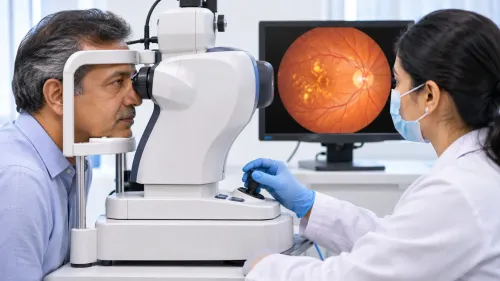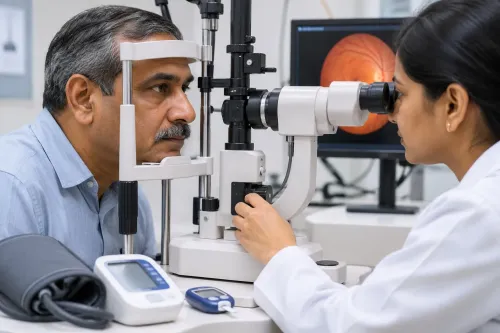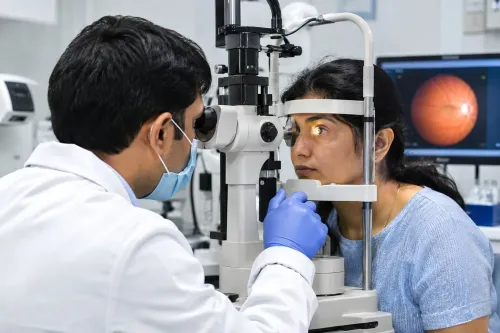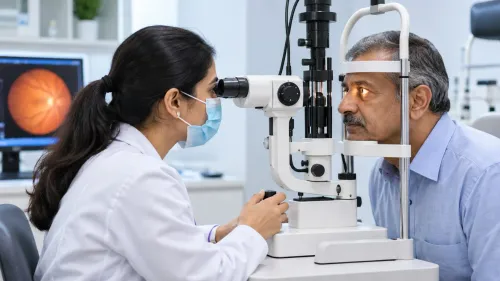
Heavy rain, waterlogging and travel delays can make an eye appointment difficult, but rainfall itself does not worsen diabetic retinopathy or justify ignoring new visual symptoms. You will learn when to keep or reschedule a screening visit, how to travel safely after dilation, which examination schedule applies to your type of diabetes, and what a combined diabetes and blood-pressure assessment should include.
Key takeaways
- Rain and humidity do not cause diabetic retinopathy or require routine screening delays.
- Book retinal examinations according to diabetes duration, glucose control, blood pressure and pregnancy.
- Expect vision testing, pupil dilation and retinal imaging during a diabetic eye checkup in Mumbai.
- Ask when to repeat screening after results show no retinopathy or detected retinal damage.
Should you postpone diabetic eye screening when Mumbai is flooded or raining?
Rain and humidity do not cause diabetic retinopathy, so Mumbai’s monsoon is a travel problem, not a biological reason to delay screening. Risk relates mainly to diabetes duration, glucose control, blood pressure, kidney disease and pregnancy.
For diabetic eye screening monsoon in Mumbai planning, use this decision guide:
1. Reschedule a routine appointment if flooding, unsafe roads, train disruption or severely reduced visibility makes travel hazardous. Rebook promptly rather than abandoning screening.
2. Seek urgent ophthalmic assessment despite the weather for sudden vision loss, a curtain or shadow, new flashes, a sudden shower of floaters or rapidly worsening blur. These symptoms can signal retinal detachment, vitreous haemorrhage or another time-sensitive problem.
3. After dilation, do not drive until near and distance vision return to normal. Use sunglasses for light sensitivity, arrange a companion or taxi, and avoid crossing waterlogged roads or travelling alone on public transport while vision remains blurred.
Monsoon red eye is different from retinal disease. Redness, discharge, pain and light sensitivity suggest irritation, conjunctivitis or corneal infection, while diabetic retinopathy is often symptom-free. Do not self-start steroid eye drops; they can worsen or mask certain infections.
If flooding has made your appointment impractical, delay the journey—not urgent symptoms. A safe, completed examination is better than risking injury on the way there.
When should each person with diabetes have a retinal examination?
The schedule depends on the type of diabetes, when it began and whether pregnancy or retinal disease changes the risk.
1. Type 1 diabetes: Arrange the first retinal examination within five years of diabetes onset. Continue with annual review after that, unless the ophthalmologist recommends a shorter or longer interval based on retinal findings and risk factors.
2. Type 2 diabetes: Have the first retinal examination when diabetes is diagnosed, including when the diagnosis is new. Retinal disease may have started before diabetes was detected. Continue at the interval set after examination, commonly once a year.
3. A normal previous examination does not permanently clear you. Keep attending at the recommended interval, and arrange an earlier review if you become pregnant, glucose control worsens, blood pressure rises, kidney disease develops or you notice visual symptoms.
4. Pregnancy needs its own plan. If you had diabetes before pregnancy, have a retinal assessment before conception or early in pregnancy. Follow-up during pregnancy and after delivery depends on the degree of retinopathy.
Gestational diabetes alone does not follow the same retinal-screening schedule as pre-existing diabetes; raise pregnancy-related eye concerns with your obstetrician, diabetes clinician and ophthalmologist.
What happens during a diabetic eye checkup in Mumbai?
A diabetic eye checkup in Mumbai follows a set sequence:
1. Bring medication names, recent HbA1c and blood-pressure records, glasses, previous reports, and details of any retinal injections, laser or surgery. Tell the clinician how long you have had diabetes, your usual glucose pattern, blood-pressure history, kidney disease, pregnancy status and current medicines.
2. Read an eye chart with each eye, first without glasses and then with them. Good visual acuity does not exclude early retinal disease.
3. The team measures eye pressure. This checks for pressure-related disease alongside diabetes-related changes.
4. Before dilation, mention angle-closure glaucoma or any previous reaction to dilating drops. Dilation can blur near vision and increase light sensitivity; bring a companion if you might otherwise drive.
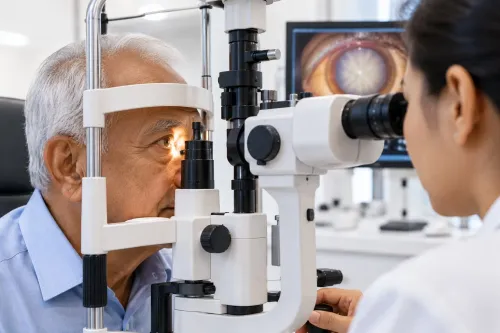
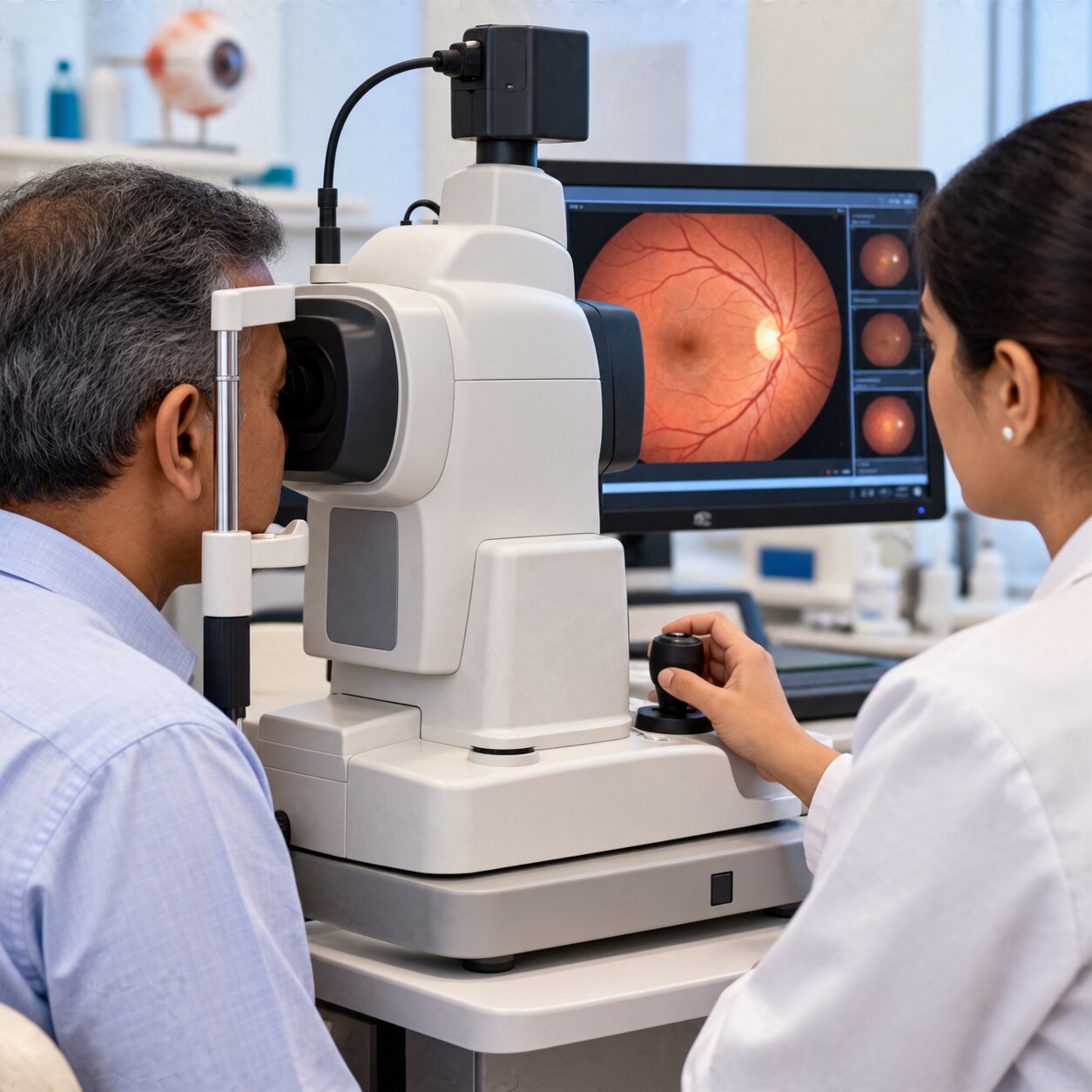
5. The ophthalmologist examines the retina and optic nerve through the pupil. Retinal photography can support screening, but blurred, cataract-blocked or otherwise ungradable images require repeat imaging or a dilated examination—not a negative result.
A routine diabetic screening visit looks mainly for diabetic retinopathy and macular changes. A comprehensive eye check-up also assesses glasses needs, cataract, glaucoma and broader eye health. A fundus examination focuses specifically on the back of the eye.
Sudden vision loss, a curtain, flashes, a shower of floaters or rapidly worsening blur requires an urgent assessment rather than routine screening.
Do diabetes and high blood pressure require one combined eye visit?
You can often discuss both conditions during one dilated retinal visit. Diabetes screening checks for diabetic retinopathy and diabetic macular oedema, while the same fundus examination can reveal vascular changes associated with high blood pressure.
That examination does not replace repeated blood-pressure readings, kidney assessment or medication management by the physician treating your diabetes or hypertension. Poor blood-pressure control can increase retinal risk even when your visual acuity is normal.
Imaging answers specific questions, not every eye-health question. Optical coherence tomography (OCT) measures retinal swelling and helps assess diabetic macular oedema; retinal photographs document visible changes for review and comparison. Neither test alone replaces assessment for peripheral retinal lesions, neovascularisation or other causes of visual loss.
When booking diabetes eye screening in Mumbai, ask what the appointment includes:
- Dilation and a complete retinal or fundus examination
- Retinal photography, including what happens if images are blurred or ungradable
- OCT when the examination or symptoms indicate it
- Review of recent HbA1c or glucose records, blood-pressure readings, kidney history, medicines and previous eye treatment
- A clear follow-up interval and instructions for urgent symptoms
Ask specifically whether hypertensive eye screening in Mumbai is included in the same ophthalmology assessment, rather than assuming a photograph alone covers it. Dr Nusrat Bukhari's Eye Clinic can be considered when you want diabetes and hypertension eye concerns assessed in one appointment, subject to the clinician’s examination plan.
Related service
Diabetic & Hypertensive Eye Screening Diabetic & Hypertensive Eye Screening by Dr. Nusrat Bukhari Diabetes and high blood pressure can silently damage the eyes long before symptoms appear. With over 21 years of expertise, Dr. View service → |
What can screening find, and what should you do with the result?
Good visual acuity does not rule out diabetic retinopathy or hypertensive retinal changes: early retinal disease can develop before noticeable blur. Screening can identify retinal haemorrhages, microaneurysms, macular swelling, vascular changes and signs that need closer review.
It does not replace glucose management, HbA1c checks, blood-pressure readings, kidney assessment or medical treatment. A hypertensive eye screening in Mumbai can reveal retinal effects of high blood pressure, but one retinal examination cannot measure blood-pressure control.
1. Ask for a documented result and a specific follow-up interval. A normal result means you continue the recommended schedule, not that future screening is unnecessary.
2. If retinopathy is found, do not assume surgery is next. Management may involve improved glucose and blood-pressure control, observation, intravitreal anti-VEGF or steroid treatment for selected macular oedema, laser for selected proliferative disease, or vitrectomy for non-clearing vitreous haemorrhage or tractional retinal detachment.
3. If images are ungradable because of blur, cataract or vitreous opacity, arrange the recommended dilated examination or repeat imaging. An ungradable image is not a negative result.
4. Keep the follow-up appointment even during the monsoon unless travel is unsafe. New floaters, flashes, a curtain or shadow, sudden vision loss or rapidly worsening blur needs prompt ophthalmic assessment regardless of the weather.
Frequently asked questions
Should you postpone diabetic eye screening when Mumbai is flooded or raining?
Rain and humidity do not cause diabetic retinopathy. Delay only when travel is unsafe, then reschedule promptly; flooding is a practical travel problem, not a biological reason to postpone screening.
When should each person with diabetes have a retinal examination?
Timing depends on diabetes type, duration, glucose control, blood pressure, kidney disease and pregnancy. Ask your eye specialist for an interval based on your medical history and previous retinal findings.
What happens during a diabetic eye checkup in Mumbai?
The visit can include visual-acuity testing, eye-pressure measurement, pupil dilation and retinal examination with photographs or optical coherence tomography when indicated. Bring your diabetes medicines, recent glucose results and glasses.
Do diabetes and high blood pressure require one combined eye visit?
Yes. One dilated retinal examination can assess changes linked to diabetes and hypertension. Tell the clinician about both conditions and bring recent blood-pressure and glucose readings.
What can screening find, and what should you do with the result?
Screening can identify diabetic retinopathy, diabetic macular oedema, hypertensive retinal changes and other eye problems. Keep the report, follow the recommended review interval and arrange prompt treatment or referral for sight-threatening findings.
Keywords