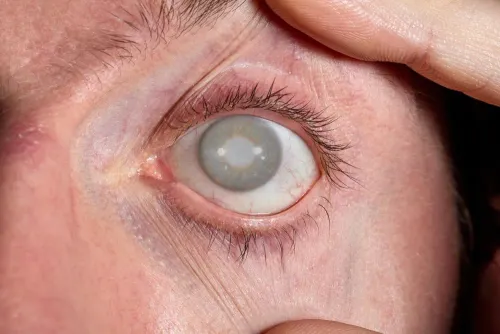
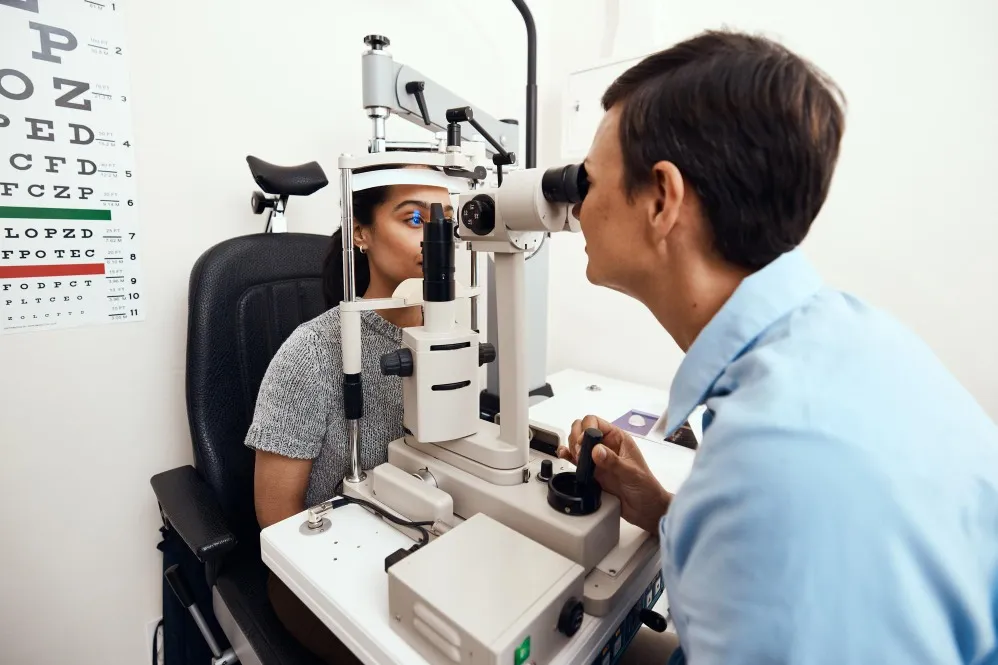
Healthy vision plays an essential role in every stage of life, from childhood learning to professional work and independent living in older age. While many people schedule an eye examination only after noticing blurred vision or discomfort, regular consultations with a qualified ophthalmologist can help detect several eye conditions before they begin affecting daily activities.
If you are searching for the Best Ophthalmologist in Nagpada, understanding what an ophthalmologist does and what qualities to look for can help you make a confident healthcare decision.
Understanding the Role of an Ophthalmologist
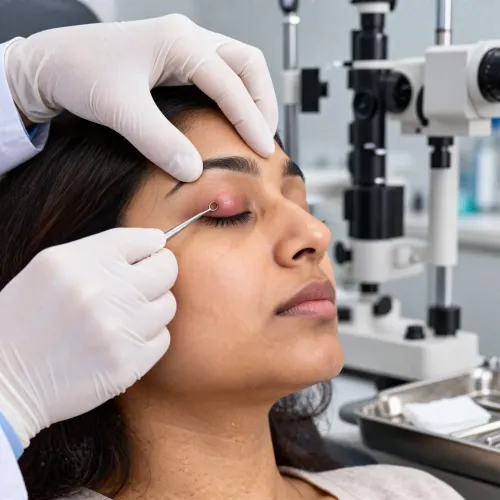
An ophthalmologist is a medical doctor who specializes in diagnosing, treating, and managing diseases affecting the eyes and vision. Unlike routine vision screenings, comprehensive eye examinations evaluate both visual performance and overall eye health.
An ophthalmologist can help diagnose conditions such as:
- Cataracts
- Glaucoma
- Diabetic eye disease
- Dry eye syndrome
- Retinal disorders
- Corneal diseases
- Eye infections
- Pediatric vision disorders
Many eye diseases progress gradually and may not cause noticeable symptoms during their early stages.
Why Regular Eye Examinations Matter
Routine eye check-ups are valuable even when vision appears normal.
Comprehensive examinations may help identify:
- Early cataract formation
- Increased eye pressure associated with glaucoma
- Changes caused by diabetes or hypertension
- Age-related retinal conditions
- Prescription changes requiring updated glasses
Early diagnosis often allows treatment to begin before permanent vision loss occurs.
What to Look for When Choosing an Ophthalmologist
Selecting an eye specialist involves more than choosing the nearest clinic.
Consider factors such as:
Clinical Experience
Experience across different eye conditions allows doctors to recommend appropriate investigations and treatment options based on individual needs.
Diagnostic Facilities
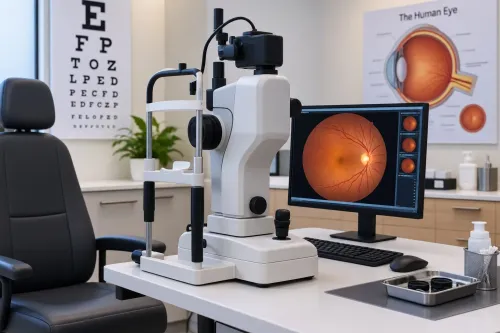
Modern eye care relies on advanced diagnostic equipment to evaluate different parts of the eye accurately.
Depending on the patient's condition, testing may include:
- Vision assessment
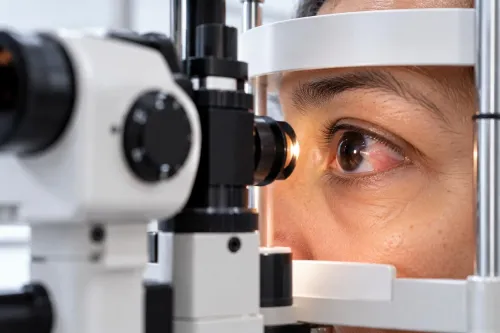
- Slit lamp examination
- Intraocular pressure measurement
- Retina evaluation
- Corneal assessment
Personalized Care
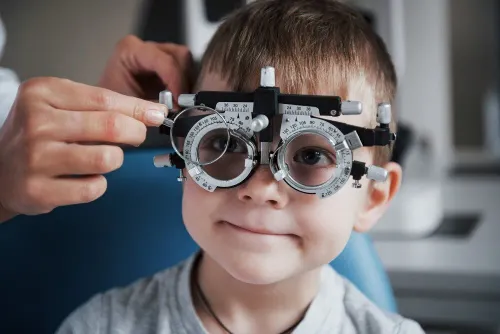
Every patient has unique visual needs. Children, working professionals, older adults, and individuals with chronic medical conditions often require different evaluation approaches.
A consultation should provide sufficient time to understand symptoms, explain findings, and discuss available treatment options.
Common Reasons People Visit an Eye Specialist
Patients commonly seek ophthalmology care for:
- Blurred vision
- Eye redness
- Frequent headaches associated with vision
- Difficulty reading
- Cataract symptoms
- Eye injuries
- Diabetes-related eye examinations
- Dry or irritated eyes
- Double vision
- Pediatric vision concerns
Ignoring persistent symptoms can sometimes allow minor problems to become more complicated.
Importance of Eye Care for People With Diabetes
Diabetes affects blood vessels throughout the body, including those within the retina.
Regular retinal examinations can help detect diabetic eye disease before noticeable vision changes occur.
Patients living with diabetes are often advised to undergo periodic eye examinations even when they do not experience symptoms.
Children's Eye Health Requires Early Attention
Many childhood vision problems develop silently.
Parents should consider an eye examination if children experience:
- Difficulty reading
- Frequent squinting
- Sitting very close to television screens
- Poor classroom performance
- Eye rubbing
- Misaligned eyes
Early intervention can support normal visual development.
Eye Care for Older Adults
As people age, the likelihood of developing certain eye conditions increases.
Routine examinations help monitor:
- Cataracts
- Glaucoma
- Macular degeneration
- Retinal disorders
- Age-related vision changes
Regular follow-up appointments allow timely treatment whenever necessary.
Lifestyle Habits That Support Healthy Vision
Good eye health extends beyond medical treatment.
Simple habits include:
- Wearing UV-protective sunglasses outdoors
- Maintaining diabetes and blood pressure control
- Following a balanced diet rich in leafy vegetables
- Taking regular breaks during prolonged screen use
- Avoiding smoking
- Using protective eyewear during hazardous activities
These measures complement routine eye care.
Choosing Reliable Eye Care in Mumbai
Residents across Mumbai often prefer clinics that combine experienced medical care with modern diagnostic technology. Patients from Nagpada and nearby neighbourhoods generally benefit from choosing providers who offer comprehensive evaluation rather than focusing solely on spectacle prescriptions.
Dr Nusrat Bukhari's Eye Clinic provides comprehensive ophthalmology consultations, detailed eye examinations, and management for a wide range of eye conditions while emphasizing individualized patient care based on clinical findings.
Making informed decisions about eye health today may help preserve comfortable vision for many years to come.
Keywords