Cataracts are one of the most common causes of gradual vision loss, particularly among older adults. While many people associate cataracts with aging, the condition can also develop because of diabetes, previous eye injuries, prolonged steroid use, or certain medical conditions. The encouraging news is that cataracts are treatable, and advances in ophthalmology have made diagnosis and treatment more precise than ever before.
If you are looking for Cataract Services in Agripada, understanding how cataracts develop, how they are diagnosed, and when treatment may be appropriate can help you make informed decisions about your eye health.
What Is a Cataract?
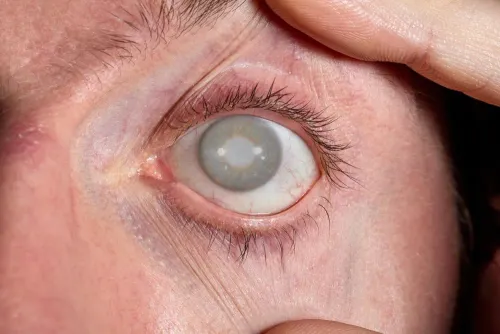
The natural lens inside the eye is normally clear, allowing light to focus properly on the retina. A cataract develops when this lens gradually becomes cloudy, reducing the amount of light that reaches the retina. As the clouding progresses, vision becomes increasingly blurred.
Cataracts usually develop slowly, which is why many people do not immediately notice changes in their eyesight.
Common Symptoms of Cataracts
The symptoms often vary depending on the stage of the cataract. Some people experience only mild visual changes initially, while others notice increasing difficulty with everyday activities.
Typical symptoms include:
- Blurred or cloudy vision
- Difficulty reading in dim light
- Increased sensitivity to bright lights
- Glare while driving at night
- Colours appearing dull or faded
- Frequent changes in spectacle prescription
- Double vision in one eye in some cases
Since these symptoms may also occur with other eye conditions, a comprehensive eye examination is essential.
Who Has a Higher Risk?
Although age remains the most common factor, cataracts can affect adults of different age groups.
Risk factors include:
- Increasing age
- Diabetes
- Long-term steroid medication
- Smoking
- Excessive ultraviolet exposure
- Previous eye trauma
- Family history of cataracts
- Previous eye surgery
Regular eye examinations become increasingly important for individuals with these risk factors.
How Cataracts Are Diagnosed
Diagnosing cataracts involves much more than checking visual acuity.
During an eye examination, the ophthalmologist may perform:
- Vision testing
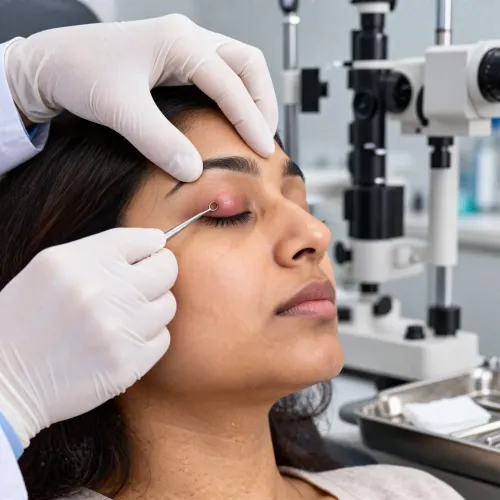
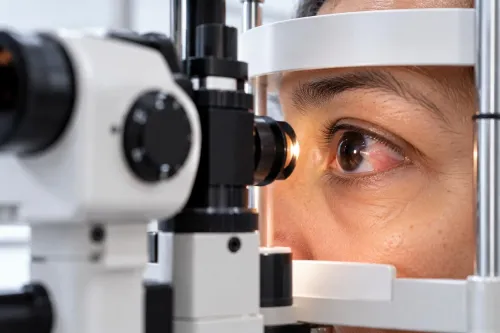
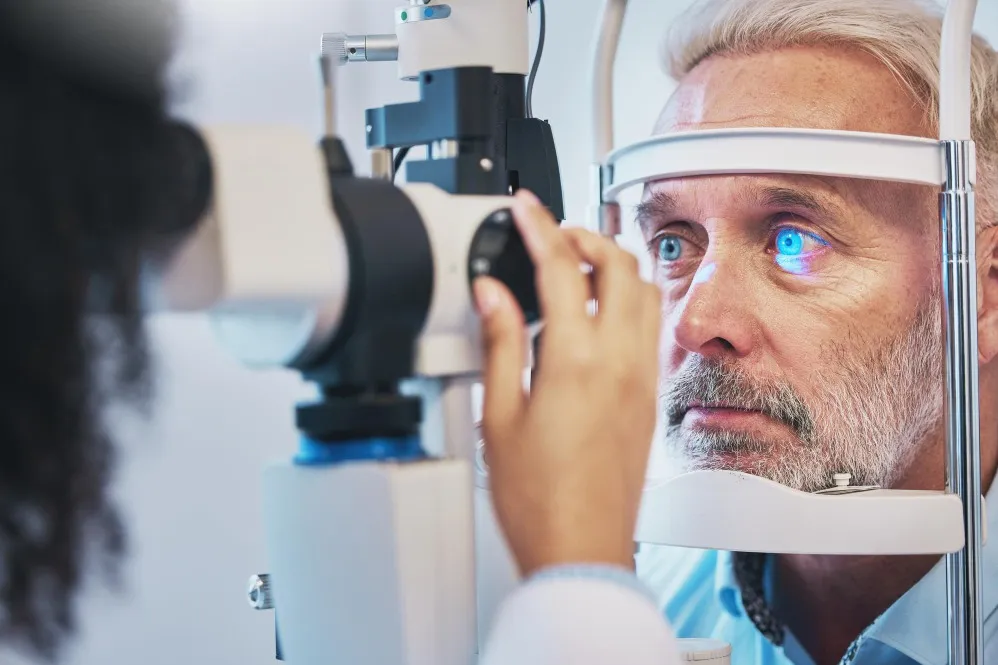
- Slit lamp examination
- Assessment of the natural lens
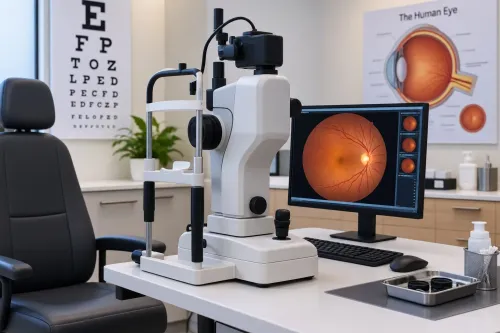
- Retinal examination after pupil dilation when appropriate
- Measurement of eye pressure
- Evaluation of overall eye health
These investigations help determine whether cataracts are responsible for the vision changes or whether another condition requires attention.
Does Every Cataract Need Surgery?
One of the most common misconceptions is that cataracts should be removed as soon as they are detected.
In reality, surgery is usually recommended when the cataract begins affecting daily activities such as:
- Reading comfortably
- Driving safely
- Watching television
- Recognising faces
- Working on computers
- Performing household tasks
The decision depends on the individual's lifestyle, visual needs, and clinical findings rather than the appearance of the cataract alone.
What Happens During Cataract Treatment?
Modern cataract surgery is a carefully planned procedure that involves removing the cloudy natural lens and replacing it with an artificial intraocular lens.
Before surgery, patients undergo detailed measurements to determine the most suitable lens power.
The ophthalmologist also evaluates:
- Corneal health
- Retina condition
- Existing medical conditions
- Previous eye surgeries
- Overall suitability for surgery
Each treatment plan is personalised based on these findings.
Recovery After Cataract Surgery
Recovery varies between individuals, but many patients notice gradual improvement in vision over the following days and weeks.
Patients are generally advised to:
- Use prescribed eye drops regularly
- Avoid rubbing the eye
- Attend scheduled follow-up appointments
- Protect the eye from dust and injury
- Follow activity guidelines provided by the ophthalmologist
Regular follow-up helps ensure proper healing and allows the doctor to monitor recovery.
Importance of Early Evaluation
Some people delay seeking medical advice because they believe blurred vision is simply part of aging.
However, not all vision changes are caused by cataracts. Conditions such as glaucoma, diabetic retinopathy, macular degeneration, or retinal diseases may produce similar symptoms and require different treatment approaches.
A comprehensive examination helps identify the exact cause.
Choosing Reliable Cataract Services in Mumbai
Residents of Agripada and neighbouring areas often look for eye care providers who combine thorough clinical evaluation with modern diagnostic technology and personalised treatment planning. Selecting a clinic that offers comprehensive pre-operative assessment and long-term follow-up contributes to safer and more effective cataract care.
Dr Nusrat Bukhari's Eye Clinic provides detailed cataract evaluations, helping patients understand their condition, discuss appropriate treatment options, and receive care based on their individual visual needs. Regular eye examinations remain one of the most effective ways to detect cataracts early and preserve comfortable vision for years to come.
Keywords